In a commercial property review, terrorism is rarely the first risk on the agenda. Clients generally focus more on familiar exposures: fire, flood, storm, theft. Sometimes they assume that terrorism-related losses are simply included automatically.
That assumption can be risky. Terrorism coverage actually varies according to many factors: the market, location, policy structure, exclusions, limits, and applicable government-backed arrangements. It’s therefore imperative that brokers review each client’s unique exposure rather than make assumptions about existing cover. That way they can identify meaningful property, access, or business interruption exposures, and determine whether the existing program responds adequately.
Why is exposure to terrorism often overlooked?
Terrorism sometimes falls outside the usual property insurance conversation because it’s perceived as an unusual or specialized risk. The important question for brokers to ask, then, is this: What would be the financial consequences if an incident did occur?
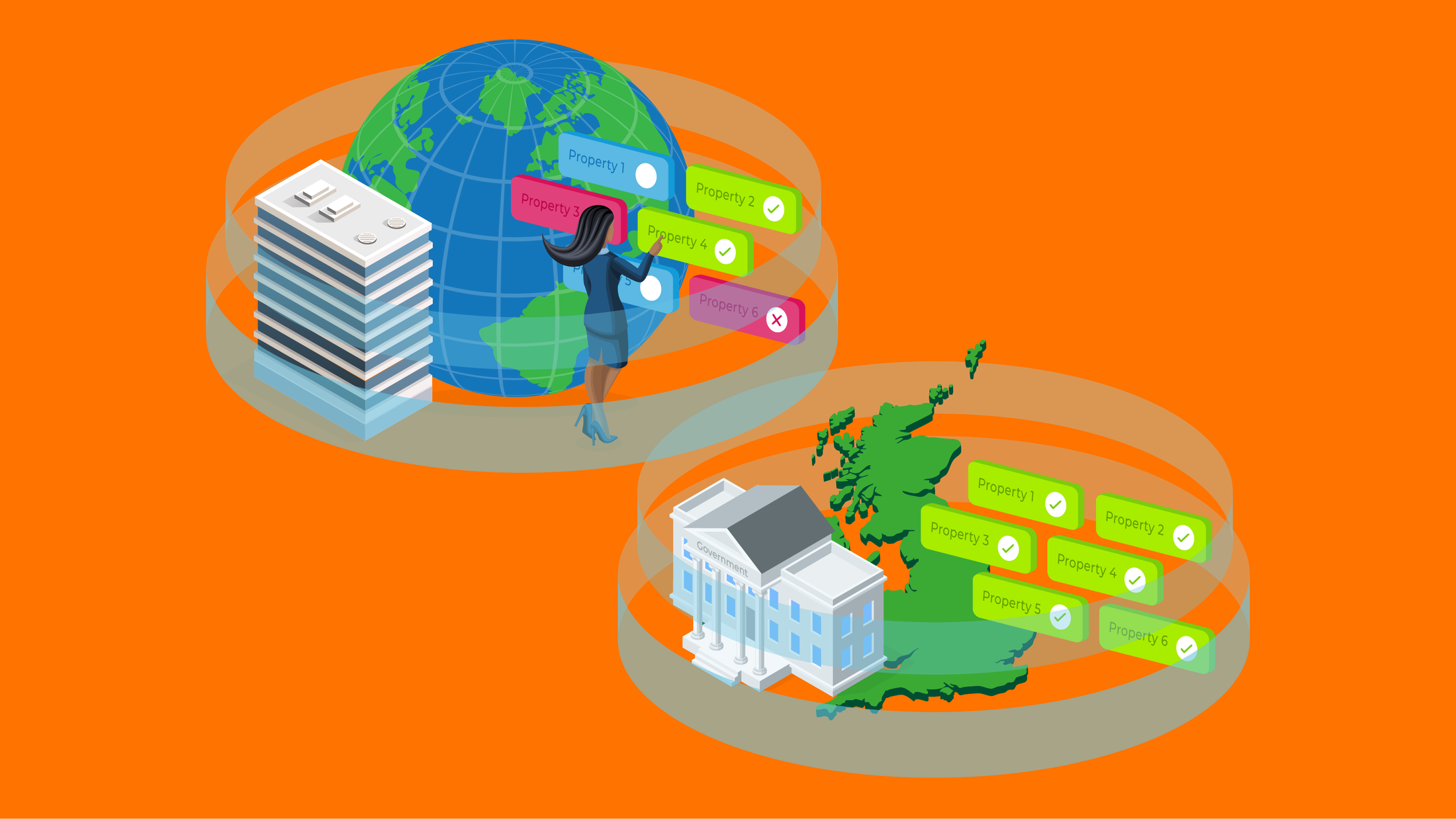
Many property policies lack cover for terrorism and sabotage risks, and the availability and structure of terrorism protection differ between countries. That’s why CFC’s standalone terrorism policy is designed to supplement or substitute for government-backed coverage where appropriate.
During a policy review, brokers should consider asking:
Is terrorism currently covered?
What limits, exclusions, or geographic restrictions apply?
Is any protection provided through a government-backed arrangement?
Does coverage extend to the client’s most important locations?
Could the client suffer drastic income loss even without extensive physical damage?
These questions turn the conversation into a discussion about coverage gaps rather than a sales exercise.
Which businesses are most exposed?
There’s no single profile that determines who needs terrorism insurance. Brokers should consider each client’s particular circumstances.
Multiple or concentrated locations
A business operating across several premises may have broader geographic exposure. Conversely, having one critical site could lead to severe operational loss should it become inaccessible. For example, a manufacturer might depend heavily on a single production facility, meaning damage or restricted access to that facility could affect production, deliveries, and revenue.
High-value assets
Clients with significant buildings, equipment, inventory, or specialist assets should consider what an incident could mean beyond replacement costs. The question is not simply, “How much is the property worth?”, but also, “What happens if this property cannot be used?”
Significant interruption exposure
A smaller business can still have substantial terrorism exposure if it relies heavily on one premises, warehouse, production facility, or distribution center. So company size alone shouldn’t determine whether terrorism cover warrants consideration.
Property and location considerations
Location is an important starting point, but brokers should also understand the role each premises plays. Restricted access has very different consequences depending on the type of site: a headquarters, a warehouse, a retail location, a manufacturing plant.
Where are the client’s key premises?
Which would be hardest to replace?
How much revenue or property is concentrated at each site?
Could one location becoming inaccessible materially affect revenue?
Could nearby sites or infrastructure cause disruption?
Could operations realistically move elsewhere?
A useful way to test the client’s answers is to look beyond the physical asset itself and map the dependencies around it. A site may be undamaged but still unable to operate because employees cannot access it, suppliers cannot reach it, or customers cannot get through. This makes site criticality more important than property value alone when assessing the potential financial impact of a terrorism event.
Brokers should also distinguish between direct and indirect impact. A client could suffer damage to its premises following an insured act of terrorism. Alternatively, its property could remain intact while a nearby incident results in road closures, police cordons, or restricted access. Utilities serving the premises could also be disrupted.
CFC’s standalone terrorism insurance includes cover for damage to premises, restriction of access to property and utilities, and loss of income resulting from an insured act of terrorism or sabotage, subject to policy terms.
Business interruption risks
For some clients, the greatest consequence of terrorism may not be physical damage, but an unexpected halt to operations. Brokers should also consider whether the client’s business interruption assumptions account for a prolonged access restriction rather than only physical repairs.
Suppose a distribution company has a warehouse within an area that’s been temporarily closed following an incident. It’s undamaged, but employees cannot reach the site, vehicles cannot enter, and customer orders cannot be fulfilled.
Brokers should ask:
Could an incident nearby disrupt access without damaging the client's property?
How quickly would revenue be affected?
How long could the business operate without its key premises?
Could operations move elsewhere, and if so how soon?
Which functions would be hardest to restart?
What would happen if utilities were disrupted?
What additional costs would be incurred to keep trading?
The answers can reveal an exposure larger than the client’s property value.
3 key questions about a client’s existing coverage
Does the property program specifically cover terrorism?
What exclusions, sublimits, or geographic restrictions apply?
Is any terrorism protection provided through a government-backed arrangement?
Where does standalone terrorism insurance fit in?
Standalone terrorism insurance can be appropriate when existing property protection doesn’t fully address the client’s exposure, or when broader or more targeted protection is needed. It need not replace the client’s property program – brokers can instead frame it as complementing their existing protection.
Depending on the policy, standalone terrorism cover may address:
damage to insured premises
restriction of access to property
utility disruption
loss of income following an insured terrorism or sabotage event
other financial consequences specified in the policy.
CFC’s terrorism product is a standalone policy that can supplement or substitute for government coverage depending on the circumstances.
Ultimately, brokers shouldn’t be asking “Does this client need terrorism insurance?” as much as they should be asking, “Would the existing program respond adequately to a terrorism or sabotage event?”
Account for the risk of terrorism in your review
Some brokers worry that discussing terrorism insurance may come across as alarmist. But the subject should simply be approached like any other area of coverage: Identify the exposure, understand the consequences, and test the existing response.
A client may have valuable property concentrated in one location, depend heavily on access to a particular site, or face substantial business interruption if operations are disrupted. These factors don’t automatically mean standalone terrorism insurance is required, but they are cause for further investigation into the client’s resilience in the wake of an incident.
Understanding where a business operates, what assets it relies on, and how long it could withstand disruption ensures brokers identify those clients who warrant a closer look.
A more complete view of terrorism risk
Terrorism risk is best assessed as part of the wider property and business interruption conversation. Even just a handful of targeted questions can uncover exposures that may otherwise remain hidden, and establish whether existing protection is sufficient. Where gaps emerge, standalone terrorism insurance may be that vital additional layer of protection a client depends on.
If you’d like to discuss terrorism and sabotage cover for a client, get in touch with CFC to explore their exposure and how standalone terrorism insurance could complement their existing protection.